
1. A clear explanation of your service.
Say what you do, who you help and where you operate. Use familiar words your customers use. Explain the main services, what is included and how someone can request a quote. Avoid leaving a visitor to guess whether you can help.
2. Real examples of your work.
Use your own photographs, completed projects or client feedback where you have permission. A short explanation of what you delivered can be more useful than a gallery with no context. Never invent testimonials or make claims you cannot support.
3. An easy way to enquire.
Make your phone, WhatsApp or enquiry form easy to find on a mobile screen. Tell customers what information to send and whether visits are by appointment. Choose contact methods you can realistically keep up with.
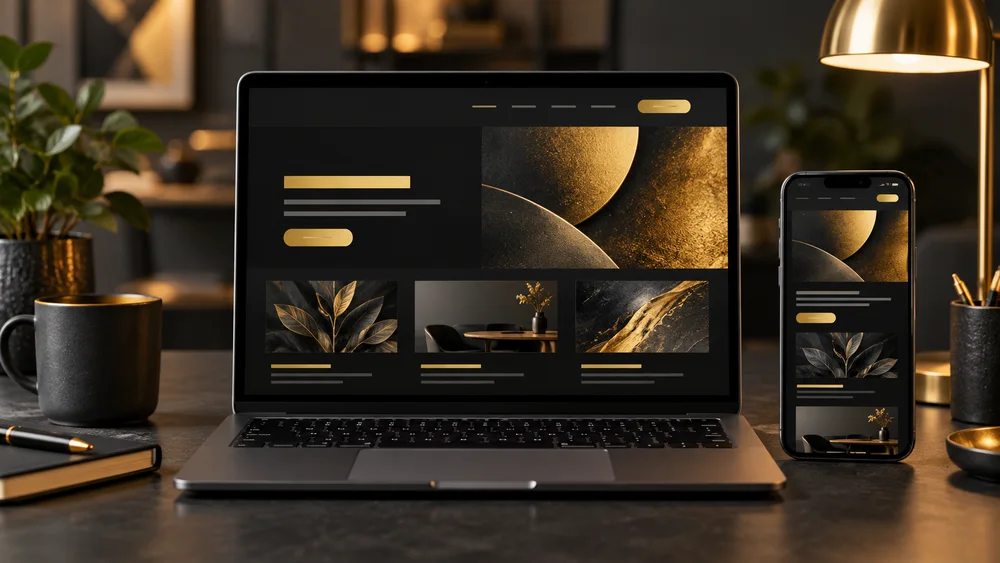
4. A layout that works on a phone.
Headings should be easy to scan, text should be readable and buttons should be comfortable to tap. Your images should fit the layout without making customers wait unnecessarily. Check the actual pages on both a phone and a computer.
5. A domain and a plan for ongoing costs.
The website build, domain renewal, hosting and optional business email are separate things to understand. Ask what you pay once, what renews and who owns the domain. If you want ongoing changes, agree on the support time and scope before choosing a monthly care package.
You can start small.
A focused website can grow as your business does. Dee’s Hub can help you work out the pages and features you need, explain the costs and quote for the agreed scope.